
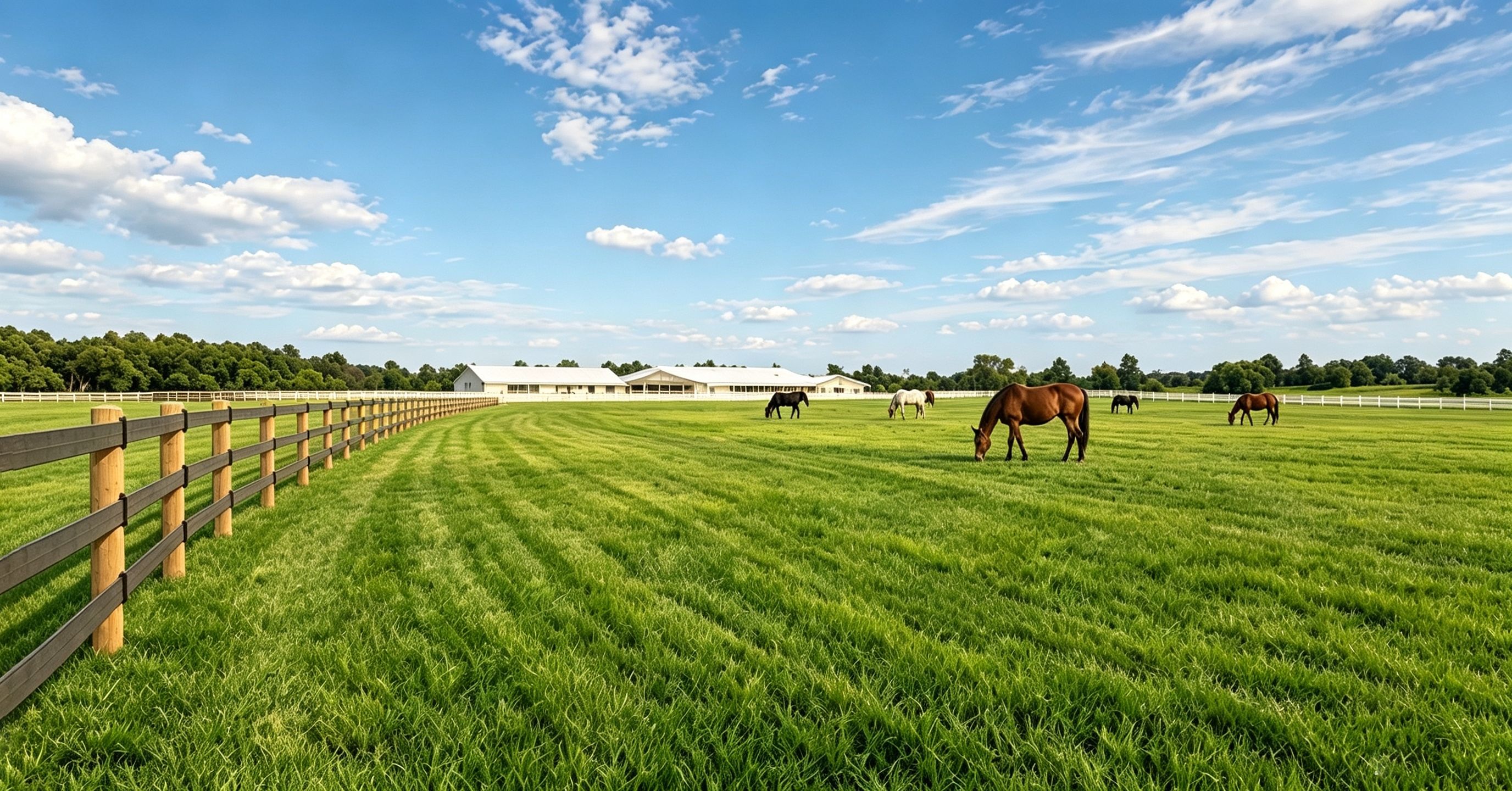
Flexible Horse Fencing: A Safer Solution for Modern Horse Farms
August 3, 2026 ·
When you manage a horse farm, riding arena, or professional equestrian facility, your fence is more than just a boundary. It is a safety system that protects your horses, riders, and investment. You need a fencing solution that can handle daily challenges while reducing the risk of injuries. Horses can run, kick, panic, or suddenly change direction, and traditional rigid fences may not always provide enough protection during unexpected impacts. This is why more horse owners and equestrian professionals are choosing flexible horse fencing as a safer alternative for modern horse facilities. Designed with flexibility, strength, and horse safety in mind, a flexible horse fence can provide a secure enclosure while allowing controlled movement when impact occurs.
Why Horse Safety Should Be Your First Priority
If you are choosing a fence for your property, you may ask:
What is the safest fence for horses?
The safest fencing option is not only strong enough to contain horses but also designed to reduce injury risks during accidents. Horses are large, powerful animals. When they collide with a rigid fence, the impact force can transfer directly back to their body. Broken wood, sharp metal edges, or inflexible structures may increase the possibility of: • Leg injuries • Cuts and abrasions • Panic reactions • Serious accidents caused by trapped limbs Understanding how to prevent horse fence injuries is essential when designing a safe equestrian environment. A well-designed horse fence should provide visibility, durability, and the ability to respond safely when unexpected situations happen.
What Is Flexible Horse Fencing?
Flexible horse fencing is an advanced fencing system created specifically for equestrian applications. Unlike traditional rigid fencing materials, flexible systems are designed to move and absorb energy when impacted. A quality flexible rail horse fencing system combines durable materials with controlled flexibility, allowing the fence to bend or slide instead of creating a sudden hard stop. This unique design helps create a safer environment for: • Private horse farms • Horse paddocks • Riding schools • Training facilities • Professional racing tracks • Equestrian centers For you, this means a fence that provides both reliable containment and improved horse protection.
How Flex & Slide Technology Protects Your Horses
At Migarail, safety is at the center of our design philosophy. Our Flex & Slide™ technology allows the fencing system to respond when horses interact with the fence. When a horse: • Runs into the fence • Kicks the rail • Gets a leg caught during movement the flexible structure can bend and slide instead of resisting with full force. This creates a more forgiving response: ✅ The fence absorbs impact energy ✅ The pressure on the horse is reduced ✅ The risk of serious injury is minimized ✅ The horse can recover more safely from unexpected contact A rigid fence fights against impact. A flexible fence works with movement. This is what makes flexible fencing a smarter choice for horse safety.
Flexible Horse Fence vs Wooden Fence: Which One Should You Choose?
Many horse owners compare flexible horse fence vs wooden fence when upgrading their property. Wood fencing has been popular for decades because of its traditional appearance. However, it also comes with several challenges. Wooden Horse Fence Advantages: • Natural appearance • Classic farm style Challenges: • Can crack or break after impact • Requires regular maintenance • Damaged sections need replacement • Broken pieces may create safety concerns Flexible Horse Fence Advantages: • Designed for impact situations • Reduces injury risks • Requires less maintenance • Maintains a clean appearance • Provides long-term value If you are searching for low maintenance horse fencing, flexible fencing can help reduce repair costs and maintenance work over time. For modern horse farms, safety and efficiency are becoming just as important as appearance.
Installation Guide: How to Build a Safer Horse Fence
A successful fencing project depends not only on the product but also on correct installation. When installing a flexible horse fence, you should consider several important factors.
- Plan Your Fence Layout Before installation, evaluate your property: • Horse activity areas • Pasture size • Training requirements • Gate locations • Terrain conditions A professional layout helps ensure your fencing system performs effectively. 
- Install Strong Fence Posts Fence posts provide the foundation of your system. The spacing and installation method should be selected according to: • Ground conditions • Fence height • Horse usage • Local requirements Correct post installation ensures stability while allowing the flexible system to work properly. 
- Install Flexible Rails The flexible rails are connected between posts to create a continuous safety barrier. During installation, you should ensure: • Proper connection • Correct alignment • Secure fixing points A properly installed flexible rail horse fencing system can maintain strength while still providing controlled flexibility. 
- Complete Safety Checks Before allowing horses into the area, inspect: • Fence height • Rail connections • Corner areas • Gates • Overall stability Professional installation helps you achieve the best safety performance.
Choosing the Right Flexible Horse Fence Manufacturer
When purchasing fencing for your project, choosing the right supplier is important. A professional flexible horse fence manufacturer should understand both manufacturing quality and equestrian safety requirements. When evaluating a supplier, you should consider: Product Quality Your fencing should be: • Durable • Weather resistant • Designed specifically for horses • Tested for long-term performance Custom Solutions Every horse facility has different requirements. A reliable supplier should provide custom horse fencing options based on: • Farm size • Climate conditions • Installation environment • Horse activity level Professional Support A trusted equestrian fencing supplier should provide technical guidance, installation support, and solutions suitable for different applications. Working with an experienced horse fencing manufacturer helps ensure your investment delivers long-term value.
Why Choose Migarail Flexible Horse Fencing?
Migarail specializes in developing innovative equestrian fencing solutions designed for safer horse environments.
By combining flexible design, impact response technology, and durable materials, Migarail helps you create fencing systems that protect horses while maintaining a professional appearance.
Whether you are upgrading a private horse farm, building a training facility, or developing a professional equestrian center, Migarail provides reliable solutions designed around your needs.
Your horses deserve more than a fence.
They deserve a safer environment.
FAQ About Flexible Horse Fencing
- What is the safest fence for horses? The safest horse fence is one that provides secure containment while reducing injury risks. Flexible horse fencing is designed to absorb impact and reduce the force transferred to horses during collisions. 
- How does flexible horse fencing prevent injuries? Flexible fencing can bend and slide when impacted, helping reduce sudden resistance. This design lowers the risk of injuries caused by hard collisions or trapped legs. 
- Is flexible horse fencing better than wooden fencing? Compared with traditional wooden fencing, flexible horse fencing offers better impact resistance, lower maintenance requirements, and improved safety performance, making it a popular choice for modern horse farms. 
- Can Migarail provide custom horse fencing solutions? Yes. Migarail provides custom horse fencing solutions for different applications, including private farms, riding arenas, training facilities, and professional equestrian projects.
Call to action
Build Your Fence System
Talk with our team about your property, your layout, and the right system combination for safer, longer-lasting equine fencing.