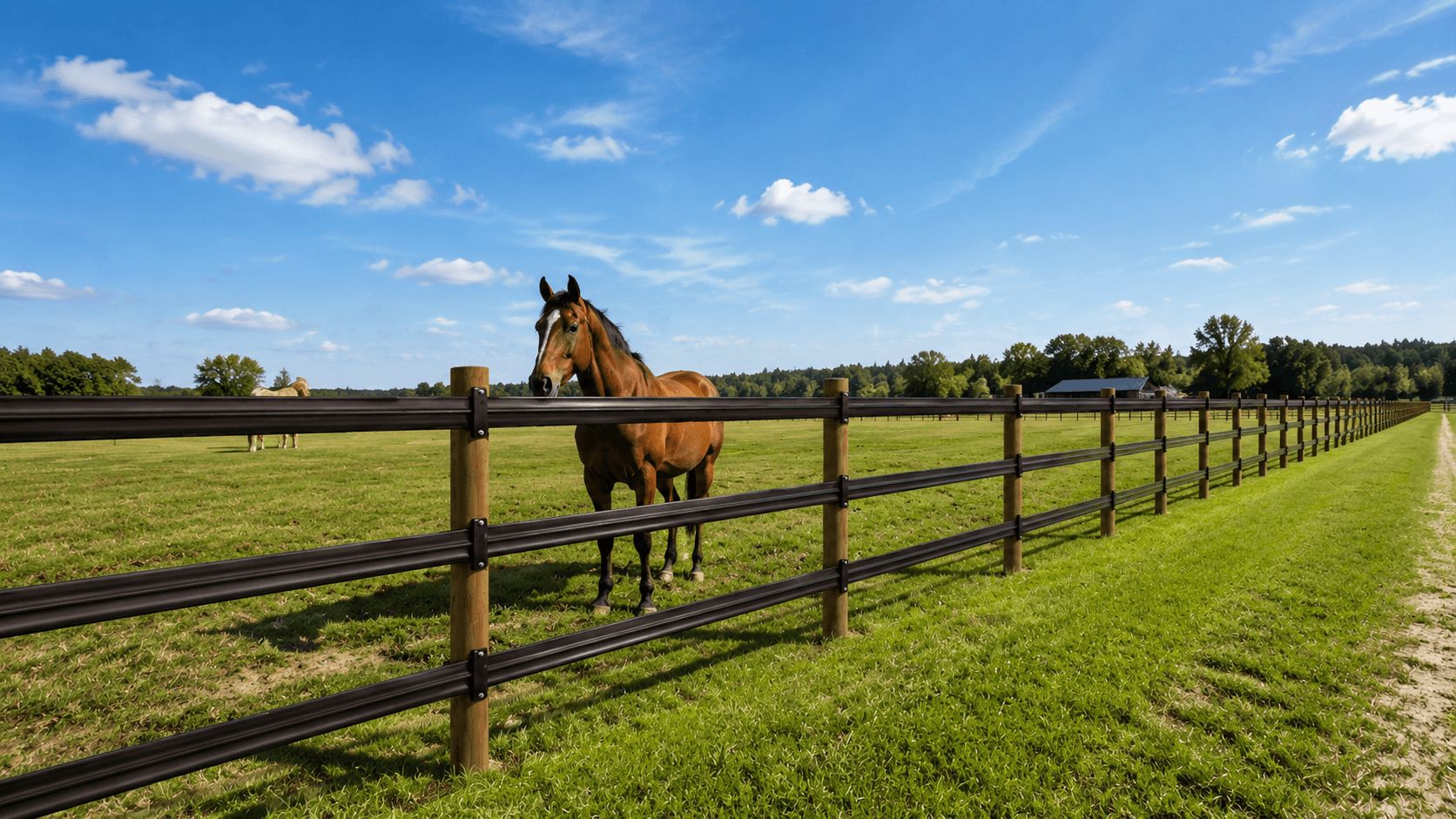
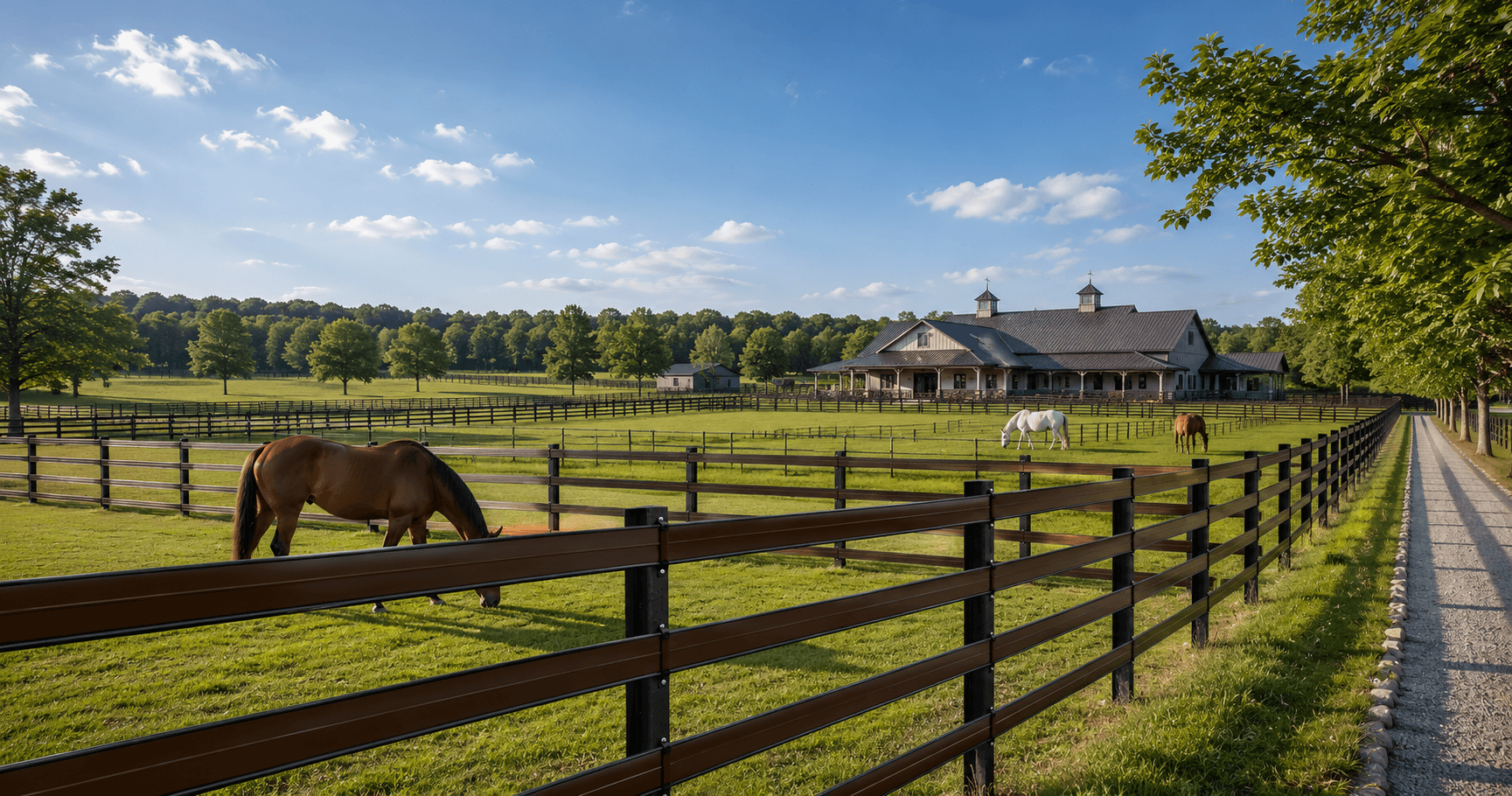
Horse Fencing GuideOctober 2026
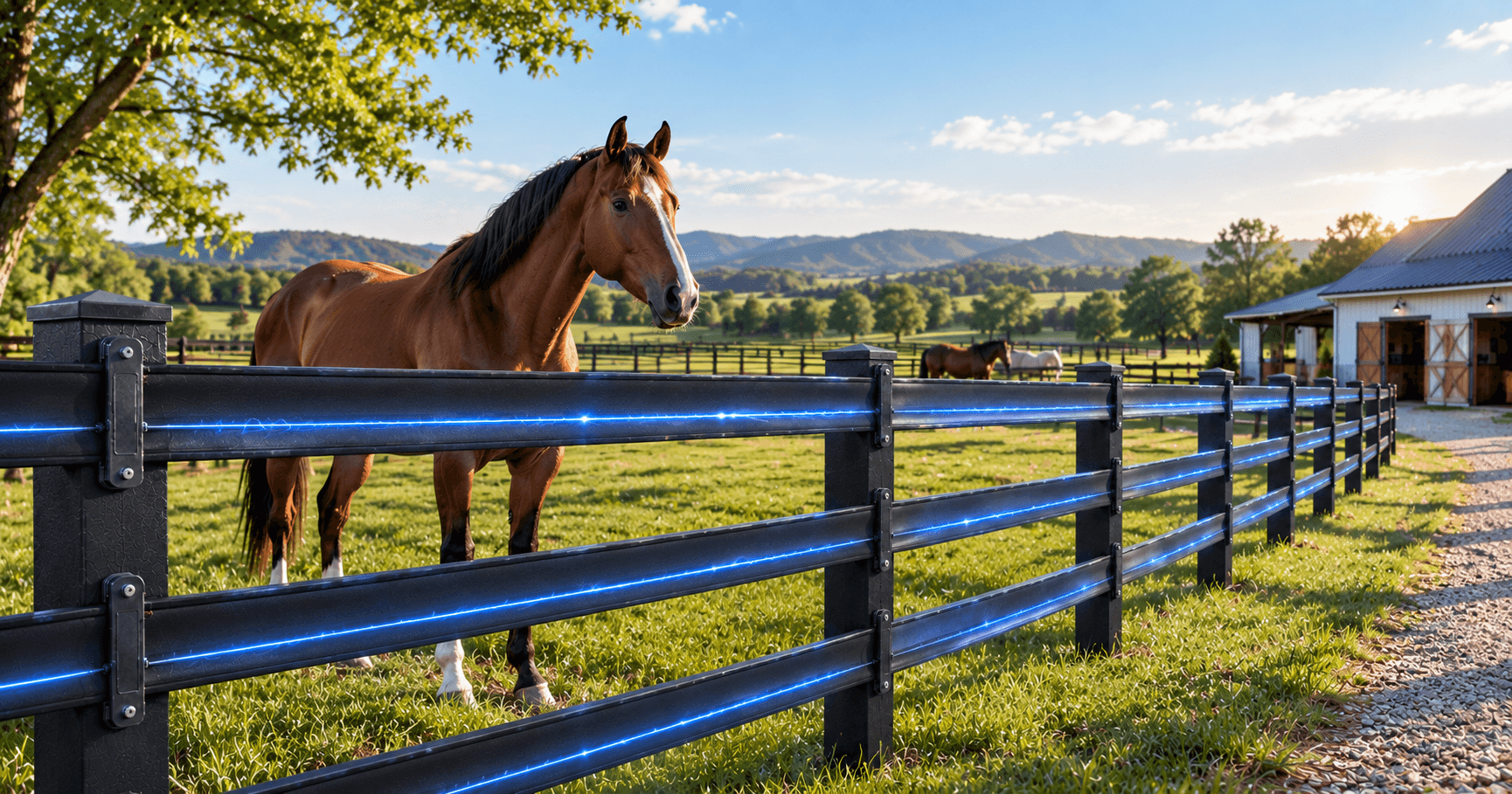
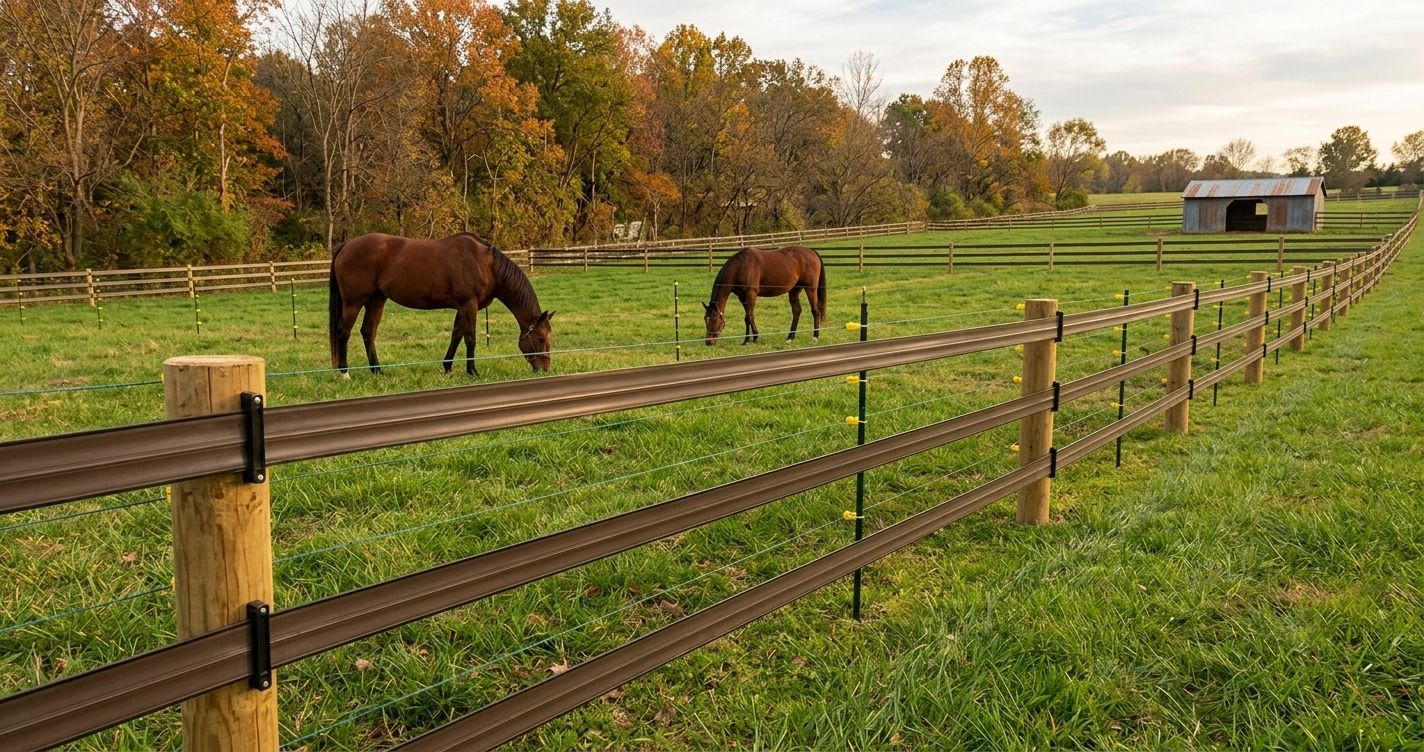
How to Introduce a Horse to an Electric Fence: A Step-by-Step Training Guide
Most horses respect an electric fence after one touch, if the introduction is done right. Learn the voltage, visibility, and step-by-step training method that keeps horses safe and fences intact.
Read More →Horse Fencing GuideOctober 2026
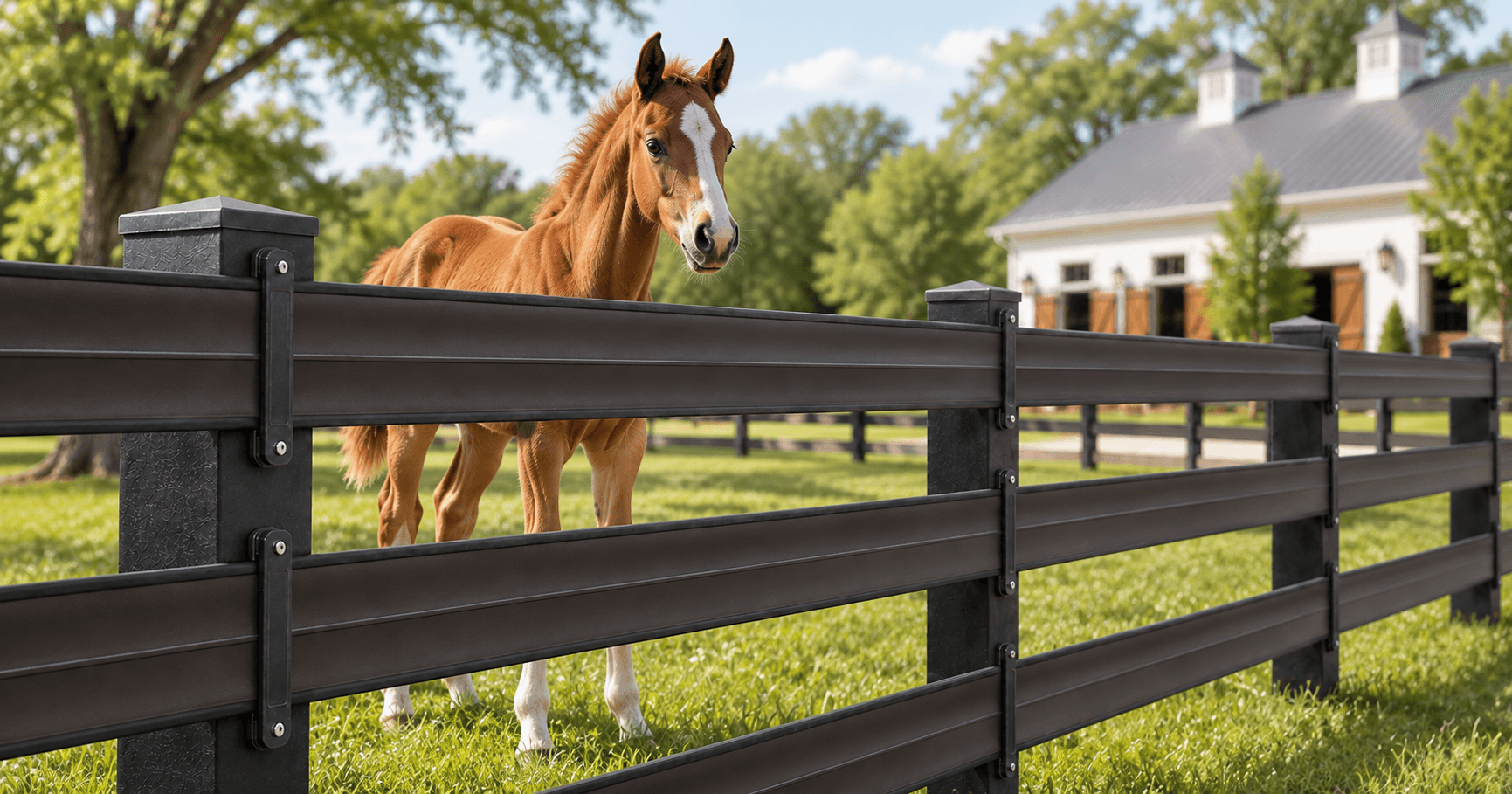
Foal-Proof Fencing: How to Design a Fence That Keeps Young Horses Safe
A fence that holds a full-grown horse can still fail a foal. Learn the bottom rail height, rail spacing, and corner specs that keep foals and weanlings safe, and why flexible polymer rails beat wood and wire in a breeding paddock.
Read More →Horse Fencing GuideSeptember 2026
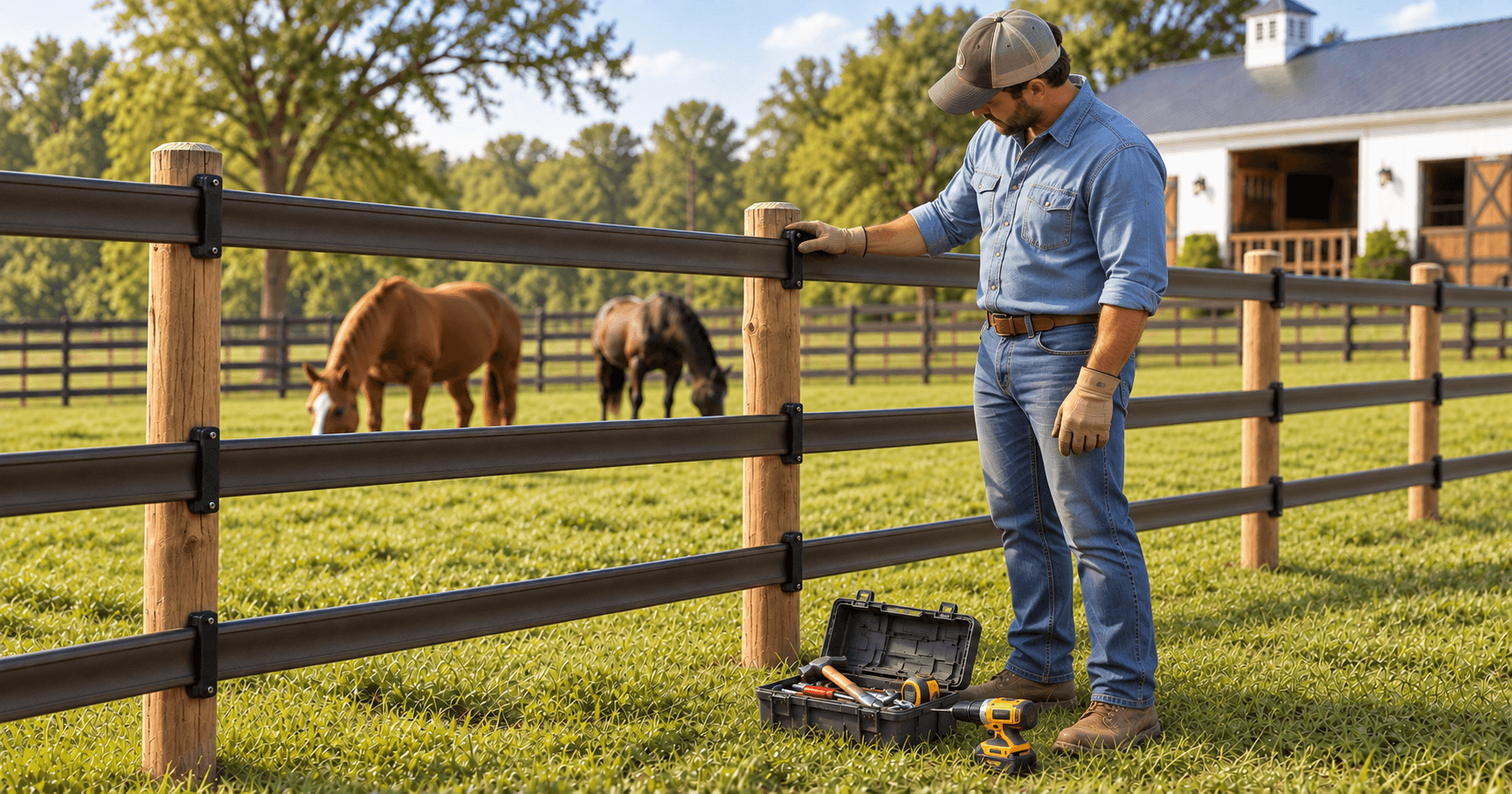
Horse Fence Maintenance Schedule: What to Check Every Season (and What You Can Skip)
A seasonal horse fence maintenance checklist: what to inspect in spring, summer, fall, and winter, which voltage to test, and which recurring tasks a flexible rail system like MigaRail removes from your list entirely.
Read More →Horse Fencing GuideSeptember 2026
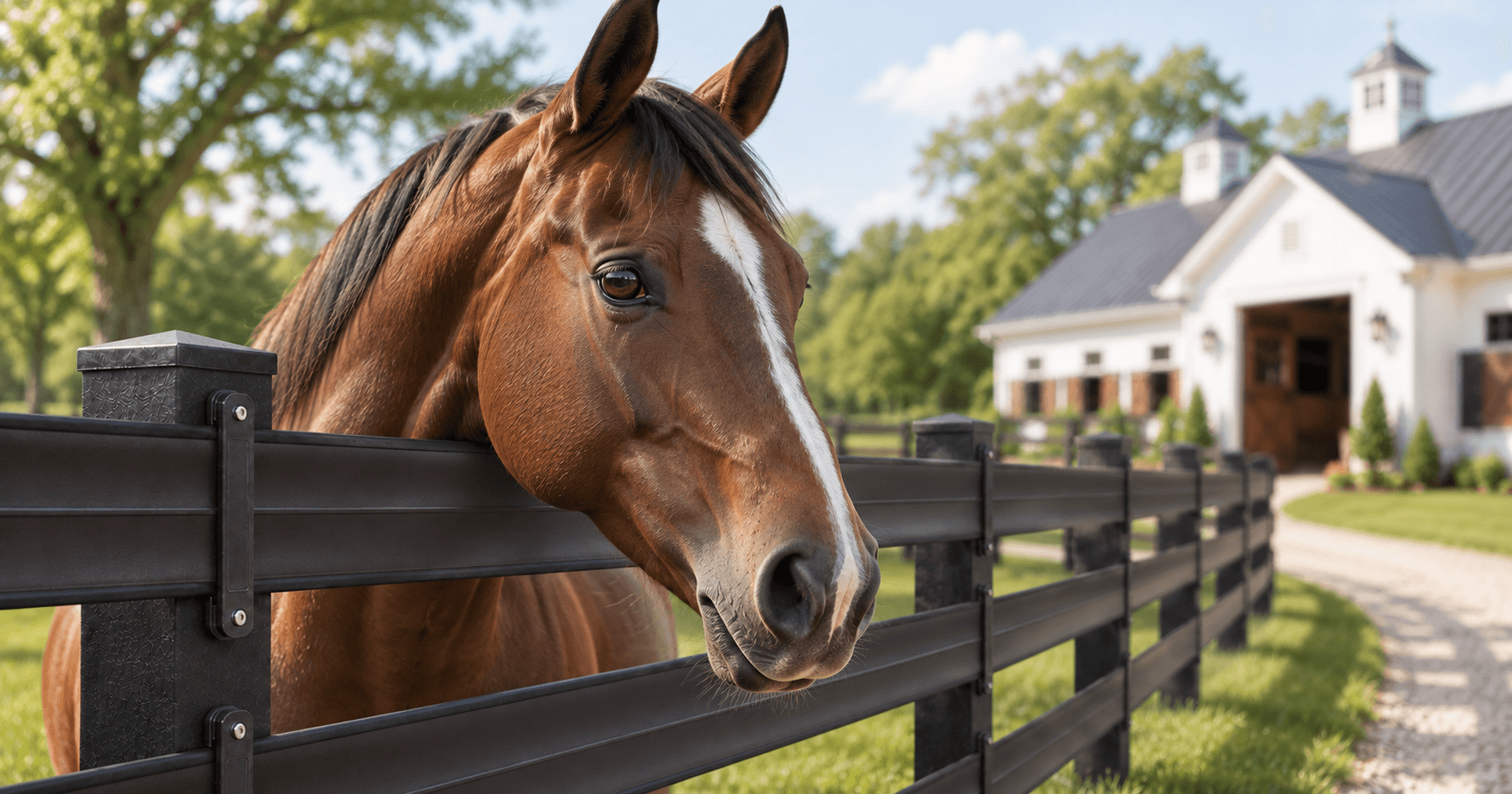
Horse Vision and Fence Visibility: Why Your Fence Color Matters More Than You Think
Horses see the world differently than you do. Research shows orange fences have poor visibility for equine eyes. Learn why white fences, wide rails, and high contrast matter for safety, and how MigaRail's 108 mm white PE coating is designed for horse vision.
Read More →Horse Fencing GuideSeptember 2026
Horse Fence Post Spacing and Rail Height: Planning a Safer Paddock Layout
Post spacing and rail height are the two specs that decide whether your fence holds or fails. This guide covers the 8 ft vs 10 ft vs 12 ft spacing decision, the right rail height by horse type, and how to map those specs onto a flexible rail system like MigaRail.
Read More →InstallationSeptember 2026
Flexible Horse Fencing: What Actually Happens When a Horse Hits the Rail
Flexible horse fencing doesn't stop a horse — it absorbs the impact and returns to line. This guide covers the three things that decide whether your fence lasts twenty years or five: tensioning, corner bracing, and electrification.
Read More →BlogAugust 2026
Why Traditional Horse Fences Cause Injuries — and What to Use Instead
Most horse fence injuries are preventable. See why your wood, wire or barbed fence puts horses at risk, and how a flexible rail and coated wire system keeps them safe.
Read More →Horse Fencing GuideAugust 2026
Built for Decades: Why Flexible Horse Fencing Outlasts Wood, Wire, and PVC
Flexible horse fencing combines a UV-stabilized PE polymer coating with high-tensile galvanized steel wire to deliver decades of maintenance-free performance across extreme temperatures, fundamentally rewriting the total cost of ownership compared to wood, wire, and PVC fencing that demand constant upkeep and replacement.
Read More →August 2026
Why Your Horse Deserves Better Than Traditional Fencing
This guide explains why migaequine flexible horse fencing — with its 108 mm impact-absorbing rail, 4,200 lb break strength, and all-weather -40°C to +60°C design — is the safer, lower-maintenance standard for arenas, paddocks, and farms, with installation paths, and FAQs to help you choose and build the right system.
Read More →August 2026
Flexible Horse Fencing: A Safer Solution for Modern Horse Farms
Discover how flexible horse fencing with Flex & Slide™ technology provides a safer, more durable, and low-maintenance fencing solution for modern horse farms, helping reduce injury risks while creating a better environment for horses.
Read More →July 2026
Flexible Rail Horse Fencing: The Complete Guide to Safer, Smarter Equine Enclosures
Flexible Rail Horse Fencing: The Complete Guide to Safer, Smarter Equine Enclosures.
Read More →July 2026
Flexible Rail Horse Fencing: The Safer, Low-Maintenance Alternative to Traditional Wood Fences
Discover why flexible rail horse fencing is becoming the preferred choice for horse owners. Learn how its impact resistance, low maintenance, and long-lasting durability make it a safer alternative to traditional wood fences for horse farms, ranches, and equestrian facilities.
Read More →courseJuly 2026
How to Build a Safer Horse Paddock: The Complete Guide to Flexible Fencing
A practical guide to building a safer, lower-maintenance horse paddock — covering the five principles of safe fencing design, the risks of traditional materials, and why flexible rail systems like MigaRail cut injury risk and maintenance by up to 85%.
Read More →July 2026
Flexible Horse Fence | Safer Equine Fencing Solution for Modern Horse Farms
Flexible Horse Fence is a modern equine fencing solution designed to improve horse safety, enhance visibility, and reduce long-term maintenance costs for farms of all sizes.
Read More →brandJune 2026
Why Choosing the Right Horse Fence Matters More Than You Think
Learn how the right horse fence improves horse safety, lowers maintenance costs, and enhances your farm. Discover the benefits of Miga Equine's flexible fencing solutions.
Read More →ProductApril 2026
How MIGA's Graphene Conductive Layer Changes Electric Fencing
Traditional electric fence systems compromise on appearance or conductivity. The graphene layer in MigaRail solves both.
Read More →TechnologyMarch 2026
UV Stability Testing: 10 Years of Outdoor Exposure Simulated
We put the PE polymer coating through accelerated UV ageing equivalent to a decade of outdoor exposure.
Read More →InstallationFebruary 2026
Corner and End-Post Bracing: A Practical Field Guide
High-tension layouts require proper corner bracing. This guide walks through the recommended approach.
Read More →